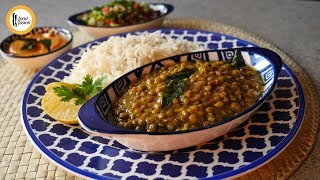
Lemony Chickpea Soup with Dill
545 kcal55 g net carbs19 g protein15 g fibre
Video: Rainbow Plant Life
Eat
953 healthy recipes from 64 cuisines, each taught by a cook on video — 162 of them traditional dishes from cooks speaking their own language, written up in English. Find them by dish or by what’s already in your kitchen, jump to any step of the video while you cook, and see roughly what one serve gives you — protein, fibre, vitamins and minerals.
Watching your carbs? Every recipe shows its net carbs per serve, and 384 are keto-friendly.
Empty — add a few recipes to start one.
One combined list of everything your chosen recipes need — added up, scaled to your serves and grouped by supermarket aisle — to tick off in the shop, share or print. Nothing is bought or ordered; it stays on this device.
Recipes that use the most of what you have come first, with how much more you’d need. Type no mushrooms to leave something out. Salt, pepper, oils and spices count as already in the cupboard.
Try
Eating style recipes fit every style you pick
Free from
Goals
Your diet filters from last time are on. Change or clear them any time.
545 kcal55 g net carbs19 g protein15 g fibre
Video: Rainbow Plant Life
460 kcal15 g net carbs16 g protein4.9 g fibre
Video: Refika's Kitchen
264 kcal20 g net carbs13 g protein11 g fibre
Video: Food Fusion
72 kcal6 g net carbs5.7 g protein1.2 g fibre
Video: Just One Cookbook
371 kcal47 g net carbs23 g protein17 g fibre
Video: Jauja Cocina Mexicana
378 kcal34 g net carbs17 g protein8.7 g fibre
Video: Clean & Delicious
413 kcal54 g net carbs13 g protein12 g fibre
Video: Yeung Man Cooking
263 kcal26 g net carbs9.9 g protein5.6 g fibre
Video: The Mediterranean Dish
397 kcal38 g net carbs14 g protein14 g fibre
Video: Skinny Recipes
453 kcal8.4 g net carbs43 g protein1.3 g fibre
Video: Just One Cookbook
488 kcal36 g net carbs42 g protein9.5 g fibre
Video: Cooking Con Claudia
262 kcal15 g net carbs7.8 g protein11 g fibre
Video: Downshiftology
412 kcal17 g net carbs46 g protein5.4 g fibre
Video: Dimitra's Dishes
200 kcal6.4 g net carbs1.9 g protein2.5 g fibre
Video: Feelgoodfoodie
165 kcal18 g net carbs3.7 g protein4.9 g fibre
Video: Your Food Lab
801 kcal88 g net carbs49 g protein2.3 g fibre
Video: Just One Cookbook
26 kcal4.3 g net carbs1.1 g protein1.5 g fibre
Video: Rick Bayless
331 kcal30 g net carbs8.4 g protein6.8 g fibre
Video: How To Cook Smarter
397 kcal38 g net carbs18 g protein4.1 g fibre
Video: Spain on a Fork
254 kcal26 g net carbs12 g protein10 g fibre
Video: The Mediterranean Dish
297 kcal12 g net carbs22 g protein6.5 g fibre
Video: Curries With Bumbi
73 kcal5.2 g net carbs3.4 g protein2.1 g fibre
Video: Just One Cookbook
153 kcal3.2 g net carbs2.2 g protein6.6 g fibre
Video: Rick Bayless
371 kcal7.5 g net carbs30 g protein8 g fibre
Video: The Cooking Foodie
413 kcal33 g net carbs20 g protein1.8 g fibre
Video: Spain on a Fork
596 kcal78 g net carbs22 g protein9.1 g fibre
Video: Henrys HowTos
343 kcal33 g net carbs14 g protein12 g fibre
Video: Your Food Lab
342 kcal40 g net carbs23 g protein4.4 g fibre
Video: Cooking with Dog
199 kcal18 g net carbs7.4 g protein4.8 g fibre
Video: Jauja Cocina Mexicana
235 kcal4.5 g net carbs22 g protein0.7 g fibre
Video: Toasty Apron
330 kcal30 g net carbs13 g protein9.8 g fibre
Video: Dimitra's Dishes
622 kcal9.3 g net carbs56 g protein2.6 g fibre
Video: cookingwithalia
345 kcal3.4 g net carbs40 g protein1.6 g fibre
Video: Chef Ranveer Brar
671 kcal38 g net carbs50 g protein9.2 g fibre
Video: Just One Cookbook
292 kcal23 g net carbs30 g protein5.6 g fibre
Video: Cooking Con Claudia
383 kcal9.8 g net carbs7.5 g protein12 g fibre
Video: Low Carb Love
No recipe matches all of those.
Learn
Each recipe's nutrition is an estimate for one serve, worked out from its ingredient list using standard food-composition data (USDA FoodData Central). Real numbers shift with brands, portion sizes and how long things cook, so treat them as a guide, not a label.
% of a day compares one serve with the reference daily values used on food labels (US FDA). A serve that gives 10–19 % is a source of that nutrient; 20 % or more is high. High fibre means 7 g or more a serve (the Australian “excellent source” level), high protein 25 g or more, and lower carb 25 g or fewer net carbs (total carbohydrate minus fibre).
Keto means 10 g or fewer net carbs a serve, with no grain, starch, sugar, legume or sweet fruit adding 2 g or more, and at least 60% of the energy from fat — a lean low-carb dish is shown as low carb instead. Carnivore means every ingredient comes from animals — meat, fish, seafood, eggs, butter, ghee, tallow, cheese, cream, bone broth — apart from salt and a pinch of dried herbs or spices. Both are estimates from the ingredient list; if you take medicine for diabetes or blood pressure, have kidney disease, are pregnant or have had an eating disorder, talk to your doctor before a keto or carnivore diet. More on both.
Why net carbs are on every card. Net carbs are total carbohydrate minus fibre — the part of food that raises blood glucose most directly. Eating fewer carbs is one of the recognised ways to manage blood glucose, and a reasonable choice for many people whether or not they follow a particular diet: the American Diabetes Association’s consensus report found that reducing overall carbohydrate has the most evidence for improving blood glucose in diabetes, and Diabetes Australia describes lower-carb eating as safe and effective in the short term for lowering blood glucose and managing weight in type 2 diabetes. There is no single right amount; as a guide, low carb usually means under about 130 g a day (under 26 % of energy) and ketogenic 20–50 g a day (under 10 %). Each recipe shows where its energy comes from, and for higher-carb dishes which ingredient adds the most. If you take insulin or other medicines that lower blood glucose, or an SGLT2 inhibitor, talk to your doctor before cutting carbs — doses may need to change.
Metric or US units. Every recipe and the shopping list can show amounts in metric (grams, millilitres, centimetres, °C) or US units (ounces, pounds, cups, inches, °F) — use the Metric / US switch above a recipe’s ingredients or in the shopping list, and your choice is remembered on this device. Conversions are rounded the way recipes are written (1 lb shows as 450 g, 180 °C as 350 °F); spoons stay as teaspoons and tablespoons. In metric, a cup of something solid is shown by weight where the recipe data knows it. The video always has the cook’s own amounts.
Diet tags come from the ingredients, never by hand. “With a swap” means only an optional or easily swapped ingredient stands in the way — tamari for soy sauce, say. Allergens are flagged from the listed ingredients only: always check labels on stock, sauces and spice mixes if you have an allergy or coeliac disease.
Sources: Evert et al., Diabetes Care 2019 (ADA nutrition therapy consensus) · Feinman et al., Nutrition 2015 (carbohydrate ranges) · Diabetes Australia position statement on low carb eating · USDA FoodData Central · FDA daily values · Australian Dietary Guidelines & nutrient reference values · NIH nutrient fact sheets. More in About & safety.
Honest note. The recipes and videos belong to the cooks who made them — please watch, like and subscribe on YouTube if a recipe helps you. Notbroken shows each video in YouTube’s own privacy-enhanced player, writes the method in its own words, and works out the nutrition. This is general information about food, not dietary advice: if you have diabetes, kidney disease, an eating disorder, a food allergy or are pregnant, a dietitian can tailor it to you.