Peruvian · lunch, dinner
Sudado de Pescado (Peruvian Steamed Fish in Chilli Broth)
Sudado de pescado

Video by Sazón y Corazón on YouTube, in Spanish · Open on YouTube
- Pescatarian
- Gluten-free ingredients
- Dairy-free
- Nut-free
Contains: Fish. Check labels on stock, sauces and spice mixes.
About 31 g protein and 13 g net carbs a serve from white fish gently steamed in a tomato, onion and yellow-chilli broth, a light, filling main that keeps blood sugar steady.
The printable card is ink-friendly, fits on one page and has a QR code back to this recipe.
Ingredients 21
Method
The cook speaks Spanish; every step is written here in English. Tap a time to watch that step in the video. For subtitles, tap CC in the video, then Settings › Subtitles › Auto-translate › English.
- Make a fish stock: simmer fish heads and bones in 2 litres of boiling water with onion, carrot, celery, leek, a garlic clove and 1 tsp salt, uncovered, for 20 minutes, then strain. 4:24
- Trim the fins off the cleaned fish, make a few shallow diagonal cuts on both sides and rub salt over the fish, into the cuts and inside. 6:26
- Heat 2 tbsp oil in a wide, low pot and gently fry the diced onion until translucent, then add the garlic and cumin and fry until the garlic starts to colour. 7:17
- Add the ají panca and ají amarillo pastes and fry until the oil separates, then the diced tomato and grated loche. Season with oregano, pepper and salt and add a splash of water. 8:02
- Spread the sauce over the base, scatter half the onion and tomato strips, spring onion and ají strips, lay the fish on top and cover with the rest; tuck coriander sprigs at the sides. 9:50
- Pour over the chicha de jora and the fish stock, add a little salt, cover and cook 10 minutes. 10:45
- Baste the fish with the broth, scatter chopped coriander and ají limo, cover and cook 5 minutes more. Remove the sprigs and serve with plenty of broth and a squeeze of lime. 11:47
Tip. The cook says it serves 2 to 4 (she plates a whole fish each); we use 4, half a fish each. Peruvians add boiled yuca and rice. No chicha de jora? Use more fish stock. Any white fish works.
The method is a summary in our words — the video shows every step.
One serve gives you 1 of 4
Where the energy comes from one serve
- Net carbs 21%
- Protein 49%
- Fat 30%
Low carb: under 26% of the energy is from carbs.
Vitamins & minerals % of a day, one serve · tap for more
Selenium High88%
49 µg a serve, mostly from white fish (98%). Part of the body's antioxidant enzymes and needed for thyroid hormones. Seafood, eggs, meat and Brazil nuts are rich sources.
Vitamin C High62%
55 mg a serve, mostly from ají amarillo paste (32%). An antioxidant needed for collagen, immunity and iron absorption. Long cooking destroys some, so raw herbs, citrus and capsicum help.
Vitamin B12 High58%
1.4 µg a serve, mostly from white fish (100%). Keeps nerves and blood cells healthy. Found almost only in animal foods and fortified foods (some plant milks, nutritional yeast), so vegans need a reliable source.
Omega-3 High56%
0.9 g a serve, mostly from vegetable oil (69%). Omega-3 fats support the heart and brain. Oily fish give EPA and DHA; walnuts, flax, chia and canola give ALA, which the body converts only a little.
Vitamin K High41%
49 µg a serve, mostly from cebollita china tops (53%). Needed for blood clotting and bones. Leafy greens and herbs are very rich in it. If you take warfarin, keep your intake steady and talk to your doctor.
Vitamin B6 High41%
0.7 mg a serve, mostly from white fish (50%). Helps turn food into energy and make brain messengers. Chickpeas, fish, poultry, potatoes and bananas are good sources.
Vitamin E High26%
3.8 mg a serve, mostly from vegetable oil (31%). An antioxidant that protects cell membranes. Nuts, seeds and plant oils such as olive oil are the main sources.
Magnesium High21%
89 mg a serve, mostly from white fish (60%). Takes part in hundreds of reactions — energy, muscles, nerves, blood sugar and bones. Nuts, seeds, legumes and whole grains are good sources.
Potassium Source18%
860 mg a serve, mostly from white fish (36%). Balances sodium to help control blood pressure and keeps muscles and nerves working. Beans, potatoes, leafy greens and fruit are rich sources.
Folate Source14%
55 µg a serve. Needed to make DNA and new cells — especially important before and in early pregnancy. Legumes and leafy greens are rich sources.
Zinc Source12%
1.3 mg a serve, mostly from white fish (60%). Needed for immunity, wound healing, taste and growth. Meat, seafood, legumes, seeds and whole grains supply it.
Iron Source11%
1.9 mg a serve, mostly from white fish (33%). Carries oxygen in your blood. Iron from plants absorbs better with vitamin C in the same meal — lemon, tomato or capsicum.
Vitamin A Source11%
100 µg a serve, mostly from tomato (28%). Keeps eyes, skin and the immune system healthy. Orange vegetables and dark greens give beta-carotene, which the body turns into vitamin A.
Show the other 2
Calcium6%
74 mg a serve. Builds bones and teeth and helps muscles and nerves work. Dairy, calcium-set tofu, sardines with their bones and some greens supply it.
Vitamin D6%
1.3 µg a serve, mostly from white fish (100%). Helps you absorb calcium for bones and supports muscles. Few foods have much — oily fish, eggs, UV-exposed mushrooms, fortified milks. Sunlight is the main source.
Estimated from the ingredient list with USDA FoodData Central values; % of a day uses the food-label daily values. How this works
You might also like
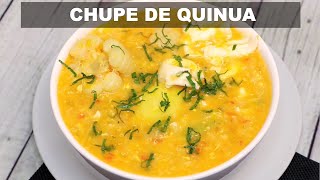 Chupe de Quinua (Peruvian Quinoa and Vegetable Soup)Peruvian · 454 kcal · 19 g protein
 Classic Peruvian Fish CevichePeruvian · 322 kcal · 27 g protein
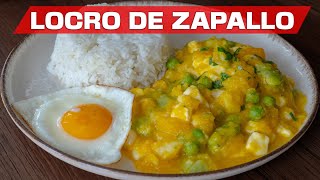 Locro de Zapallo (Peruvian Squash and Bean Stew)Peruvian · 429 kcal · 19 g protein
 Anticuchos de Corazon (Peruvian Beef Heart Skewers)Peruvian · 237 kcal · 37 g protein
 Peruvian Quinoa Salad with Butter Beans and AvocadoPeruvian · 329 kcal · 11 g protein
 Pollo a la Brasa (Peruvian Roast Chicken)Peruvian · 490 kcal · 50 g protein
Recipe and video by Sazón y Corazón; the method summary, nutrition estimate and diet notes are Notbroken’s. General information about food, not dietary advice.