German · lunch, dinner
Krautfleisch (Austrian Cabbage and Minced Meat Pan)
Krautfleisch

Video by Polsen kocht pannonisch 's Beste on YouTube, in German · Open on YouTube
- Gluten-free ingredients
- Dairy-free
- Nut-free
Contains: none of the common allergens in the listed ingredients. Check labels on stock, sauces and spice mixes.
Just meat, cabbage, onion and spices with no flour: about 38 g of protein and 14 g net carbs a serve, plus most of a day's vitamin C from the cabbage.
The printable card is ink-friendly, fits on one page and has a QR code back to this recipe.
Ingredients 11
Method
The cook speaks German; every step is written here in English. Tap a time to watch that step on YouTube.
- Heat the oil in a wide pan and fry the chopped onion until light golden, about a minute or two. 1:37
- Pour in a splash of the vegetable stock to soften the onion, add the caraway, salt and pepper (not the paprika yet) and let the liquid boil away until it sizzles. Repeat with the rest of the stock; the softened onion later binds the dish without flour. 2:10
- When the pan is sizzling hot again, stir in the garlic and paprika for a few seconds (paprika burns easily), then add the mince right away and stir until browned and cooked through. Turn the heat down and cover. 4:30
- Cut the core out of the cabbage and shred it finely with a slicer or knife; use roughly as much cabbage as meat. 5:27
- Mix the cabbage into the meat and cook over medium heat for 20–25 minutes, stirring now and then so nothing catches, until the cabbage is tender but not overcooked. 6:58
- Taste, adjust the seasoning and serve. 8:02
Tip. Serves 2 as a main on its own; the cook says 2–3 with boiled potatoes or bread dumplings. A green salad keeps it low in carbs. His 1½ tsp salt makes it salty, so add less and taste. Keeps 3 days in the fridge.
The method is a summary in our words — the video shows every step.
One serve gives you 1 of 2
Where the energy comes from one serve
- Net carbs 9%
- Protein 24%
- Fat 67%
Very low carb: under 10% of the energy is from carbs.
One serve has about 87% of a day’s sodium. Use less salt, stock or sauce, or a reduced-salt version, to bring it down.
Vitamins & minerals % of a day, one serve · tap for more
Vitamin K High126%
151 µg a serve, mostly from white cabbage (88%). Needed for blood clotting and bones. Leafy greens and herbs are very rich in it. If you take warfarin, keep your intake steady and talk to your doctor.
Omega-3 High121%
1.9 g a serve, mostly from oil (95%). Omega-3 fats support the heart and brain. Oily fish give EPA and DHA; walnuts, flax, chia and canola give ALA, which the body converts only a little.
Vitamin B12 High88%
2.1 µg a serve, mostly from beef mince (83%). Keeps nerves and blood cells healthy. Found almost only in animal foods and fortified foods (some plant milks, nutritional yeast), so vegans need a reliable source.
Vitamin C High79%
71 mg a serve, mostly from white cabbage (90%). An antioxidant needed for collagen, immunity and iron absorption. Long cooking destroys some, so raw herbs, citrus and capsicum help.
Selenium High70%
39 µg a serve, mostly from pork mince (60%). Part of the body's antioxidant enzymes and needed for thyroid hormones. Seafood, eggs, meat and Brazil nuts are rich sources.
Zinc High63%
6.9 mg a serve, mostly from beef mince (60%). Needed for immunity, wound healing, taste and growth. Meat, seafood, legumes, seeds and whole grains supply it.
Vitamin B6 High51%
0.9 mg a serve, mostly from pork mince (29%). Helps turn food into energy and make brain messengers. Chickpeas, fish, poultry, potatoes and bananas are good sources.
Vitamin E High31%
4.7 mg a serve, mostly from oil (75%). An antioxidant that protects cell membranes. Nuts, seeds and plant oils such as olive oil are the main sources.
Folate High25%
101 µg a serve, mostly from white cabbage (75%). Needed to make DNA and new cells — especially important before and in early pregnancy. Legumes and leafy greens are rich sources.
Iron High24%
4.3 mg a serve, mostly from beef mince (40%). Carries oxygen in your blood. Iron from plants absorbs better with vitamin C in the same meal — lemon, tomato or capsicum.
Potassium High20%
960 mg a serve, mostly from white cabbage (31%). Balances sodium to help control blood pressure and keeps muscles and nerves working. Beans, potatoes, leafy greens and fruit are rich sources.
Magnesium Source16%
67 mg a serve, mostly from white cabbage (31%). Takes part in hundreds of reactions — energy, muscles, nerves, blood sugar and bones. Nuts, seeds, legumes and whole grains are good sources.
Calcium Source11%
142 mg a serve, mostly from white cabbage (49%). Builds bones and teeth and helps muscles and nerves work. Dairy, calcium-set tofu, sardines with their bones and some greens supply it.
Show the other 2
Vitamin A5%
47 µg a serve, mostly from sweet paprika (78%). Keeps eyes, skin and the immune system healthy. Orange vegetables and dark greens give beta-carotene, which the body turns into vitamin A.
Vitamin D2%
0.4 µg a serve, mostly from pork mince (83%). Helps you absorb calcium for bones and supports muscles. Few foods have much — oily fish, eggs, UV-exposed mushrooms, fortified milks. Sunlight is the main source.
Estimated from the ingredient list with USDA FoodData Central values; % of a day uses the food-label daily values. How this works
You might also like
 Forelle Müllerin (Pan-Fried Trout with Parsley Butter)German · 566 kcal · 40 g protein
 Rinderrouladen (German Beef Rolls in Red Wine Gravy)German · 679 kcal · 54 g protein
 Adana Kebab (Hand-Minced Lamb with Tail Fat)Turkish · 453 kcal · 32 g protein
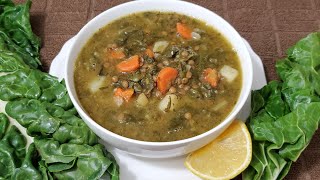 Adas bi Hamod (Lebanese Lentil, Chard and Lemon Soup)Lebanese · 263 kcal · 12 g protein
 Adasi (Persian Lentil Soup with Golpar)Persian · 324 kcal · 15 g protein
 Afghan Dopiaza (Lamb Braised with Onions)Afghan · 588 kcal · 34 g protein
Recipe and video by Polsen kocht pannonisch 's Beste; the method summary, nutrition estimate and diet notes are Notbroken’s. General information about food, not dietary advice.