American · side, snack
Fermented Sugar Snap Peas with Garlic

Video by Gardener Scott on YouTube · Open on YouTube
- Low carb (1.6 g net carbs) but not keto: 4% of the energy is from fat, and keto meals get about 60% or more
- Vegan
- Gluten-free ingredients
- Nut-free
Contains: none of the common allergens in the listed ingredients. Check labels on stock, sauces and spice mixes.
Crunchy, tangy pods soured by fermentation, with no vinegar or sugar, at about 13 kcal for six pods. They are salted, at about 160 mg sodium a serve.
The printable card is ink-friendly, fits on one page and has a QR code back to this recipe.
Ingredients 3
Method
Tap a time to watch that step in the video.
- Warm 2 cups filtered water with 1 tbsp salt in a saucepan just until the salt dissolves (no need to boil), then let the brine cool. 2:07
- Meanwhile peel a few garlic cloves and snip the tips off just over 1 lb (500 g) sugar snap peas, pulling off any strings. Plumper pods left on the vine a little longer are ideal. 2:49
- Pack the peas tightly into a clean quart jar, tucking garlic cloves into the gaps, to about 1½ inches below the rim. 3:49
- Pour in the cooled brine to about 1 inch below the rim so the peas are covered, then set a glass weight (or a bag filled with brine) on top to keep them under. 5:08
- Cover with a fermentation lid, or cheesecloth held on with a rubber band, and leave at about 70–75°F (21–24°C) for about 8 days; find a cooler spot if it's over 80°F. Cloudy brine and duller colour after 2 days are normal. 6:14
- Check there's no mould or off smell, lift out the weight, wipe the rim, close with a clean cap and refrigerate. 7:58
Tip. Makes 1 quart jar, about 17 six-pod serves (our estimate). You can start eating them before day 8 or leave them a few days longer for more sourness. Eat them like a pickle.
The method is a summary in our words — the video shows every step.
One portion, 6 pods (30 g), gives you 1 of 17
Where the energy comes from one serve
- Net carbs 59%
- Protein 33%
- Fat 8%
For comparison, low-carb eating usually gets under 26% of its energy from carbs, and ketogenic eating under 10%. Why this is here
Vitamins & minerals % of a day, one serve · tap for more
Vitamin C High20%
18 mg a serve, mostly from sugar snap peas (99%). An antioxidant needed for collagen, immunity and iron absorption. Long cooking destroys some, so raw herbs, citrus and capsicum help.
Show the other 14
Vitamin K6%
7.4 µg a serve, mostly from sugar snap peas (100%). Needed for blood clotting and bones. Leafy greens and herbs are very rich in it. If you take warfarin, keep your intake steady and talk to your doctor.
Iron3%
0.6 mg a serve, mostly from sugar snap peas (98%). Carries oxygen in your blood. Iron from plants absorbs better with vitamin C in the same meal — lemon, tomato or capsicum.
Folate3%
12 µg a serve, mostly from sugar snap peas (100%). Needed to make DNA and new cells — especially important before and in early pregnancy. Legumes and leafy greens are rich sources.
Vitamin B63%
0.1 mg a serve, mostly from sugar snap peas (88%). Helps turn food into energy and make brain messengers. Chickpeas, fish, poultry, potatoes and bananas are good sources.
Magnesium2%
7.2 mg a serve, mostly from sugar snap peas (98%). Takes part in hundreds of reactions — energy, muscles, nerves, blood sugar and bones. Nuts, seeds, legumes and whole grains are good sources.
Vitamin A2%
16 µg a serve, mostly from sugar snap peas (100%). Keeps eyes, skin and the immune system healthy. Orange vegetables and dark greens give beta-carotene, which the body turns into vitamin A.
Potassium1%
60 mg a serve, mostly from sugar snap peas (96%). Balances sodium to help control blood pressure and keeps muscles and nerves working. Beans, potatoes, leafy greens and fruit are rich sources.
Calcium1%
14 mg a serve, mostly from sugar snap peas (92%). Builds bones and teeth and helps muscles and nerves work. Dairy, calcium-set tofu, sardines with their bones and some greens supply it.
Zinc1%
0.1 mg a serve, mostly from sugar snap peas (92%). Needed for immunity, wound healing, taste and growth. Meat, seafood, legumes, seeds and whole grains supply it.
Vitamin E1%
0.1 mg a serve, mostly from sugar snap peas (100%). An antioxidant that protects cell membranes. Nuts, seeds and plant oils such as olive oil are the main sources.
Selenium1%
0.3 µg a serve, mostly from sugar snap peas (74%). Part of the body's antioxidant enzymes and needed for thyroid hormones. Seafood, eggs, meat and Brazil nuts are rich sources.
Vitamin D0%
0 µg a serve. Helps you absorb calcium for bones and supports muscles. Few foods have much — oily fish, eggs, UV-exposed mushrooms, fortified milks. Sunlight is the main source.
Vitamin B120%
0 µg a serve. Keeps nerves and blood cells healthy. Found almost only in animal foods and fortified foods (some plant milks, nutritional yeast), so vegans need a reliable source.
Omega-30%
0 g a serve, mostly from garlic (100%). Omega-3 fats support the heart and brain. Oily fish give EPA and DHA; walnuts, flax, chia and canola give ALA, which the body converts only a little.
Estimated from the ingredient list with USDA FoodData Central values; % of a day uses the food-label daily values. How this works
You might also like
 Fermented Beet Cubes with Star AniseAmerican · 15 kcal · 0.5 g protein
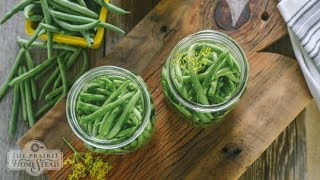 Fermented Dilly Green BeansAmerican · 10 kcal · 0.6 g protein
 Flourless Cheese Bread with Mozzarella and ParmesanAmerican · 137 kcal · 12 g protein
 Lighter Baked Spinach and Artichoke DipAmerican · 102 kcal · 4.9 g protein
 3-Ingredient Flourless Banana Peanut Butter BrowniesAmerican · 161 kcal · 4.8 g protein
 Banana Nice Cream (Dairy-Free Soft Serve)American · 123 kcal · 1.4 g protein
Recipe and video by Gardener Scott; the method summary, nutrition estimate and diet notes are Notbroken’s. General information about food, not dietary advice.