Thai · dinner
Choo Chee Mackerel (Fish in Thick Red Curry Sauce)

Video by Pailin's Kitchen on YouTube · Open on YouTube
- Pescatarian
- Gluten-free ingredients
- Dairy-free
- Nut-free
Contains: Crustacea, Fish. Check labels on stock, sauces and spice mixes.
Oily mackerel in a thick red curry sauce: about 32 g protein a serve, rich in omega-3 fats, vitamin B12 and vitamin D, with under 10 g net carbs.
The printable card is ink-friendly, fits on one page and has a QR code back to this recipe.
Ingredients 9
Method
Tap a time to watch that step in the video.
- Boil ¼ cup coconut milk in a wok or wide pan, add the curry paste and stir constantly until thick and the coconut oil starts to separate (if it doesn't, carry on anyway). 0:33
- Add the rest of the coconut milk, the palm sugar and fish sauce and simmer a few minutes into a rich, thick but pourable sauce. Stir in half the lime leaves for a minute, taste (it should be strongly seasoned), cover and set aside. 1:44
- Pat the fillets dry. Heat a thin coat of oil in a frying pan over medium-high heat and cook the mackerel skin side down about 2 minutes until golden, then flip for about 1 minute until just done. 3:54
- Bring the sauce back to the boil (add a splash of water if it's too thick), lay in the fish skin side up and simmer 30–60 seconds, keeping the sauce off the skin. 4:30
- Plate the fish, spoon the sauce around and a little over it, and garnish with the extra coconut milk, the remaining lime leaves and the red pepper. 5:00
Tip. Serve with jasmine rice. Mackerel has many fine bones, so eat carefully. Prawns, squid or another firm fish work the same way.
The method is a summary in our words — the video shows every step.
One serve gives you 1 of 2
Where the energy comes from one serve
- Net carbs 5%
- Protein 20%
- Fat 75%
Very low carb: under 10% of the energy is from carbs.
Vitamins & minerals % of a day, one serve · tap for more
Vitamin B12 High951%
23 µg a serve, mostly from mackerel fillets (100%). Keeps nerves and blood cells healthy. Found almost only in animal foods and fortified foods (some plant milks, nutritional yeast), so vegans need a reliable source.
Omega-3 High242%
3.9 g a serve, mostly from mackerel fillets (84%). Omega-3 fats support the heart and brain. Oily fish give EPA and DHA; walnuts, flax, chia and canola give ALA, which the body converts only a little.
Selenium High126%
69 µg a serve, mostly from mackerel fillets (89%). Part of the body's antioxidant enzymes and needed for thyroid hormones. Seafood, eggs, meat and Brazil nuts are rich sources.
Vitamin D High96%
19 µg a serve, mostly from mackerel fillets (100%). Helps you absorb calcium for bones and supports muscles. Few foods have much — oily fish, eggs, UV-exposed mushrooms, fortified milks. Sunlight is the main source.
Magnesium High42%
175 mg a serve, mostly from mackerel fillets (66%). Takes part in hundreds of reactions — energy, muscles, nerves, blood sugar and bones. Nuts, seeds, legumes and whole grains are good sources.
Vitamin B6 High37%
0.6 mg a serve, mostly from mackerel fillets (77%). Helps turn food into energy and make brain messengers. Chickpeas, fish, poultry, potatoes and bananas are good sources.
Iron High36%
6.4 mg a serve, mostly from coconut milk (57%). Carries oxygen in your blood. Iron from plants absorbs better with vitamin C in the same meal — lemon, tomato or capsicum.
Vitamin E High23%
3.5 mg a serve, mostly from mackerel fillets (51%). An antioxidant that protects cell membranes. Nuts, seeds and plant oils such as olive oil are the main sources.
Vitamin C Source19%
17 mg a serve, mostly from red bell pepper (74%). An antioxidant needed for collagen, immunity and iron absorption. Long cooking destroys some, so raw herbs, citrus and capsicum help.
Potassium Source18%
840 mg a serve, mostly from mackerel fillets (57%). Balances sodium to help control blood pressure and keeps muscles and nerves working. Beans, potatoes, leafy greens and fruit are rich sources.
Zinc Source18%
2 mg a serve, mostly from mackerel fillets (55%). Needed for immunity, wound healing, taste and growth. Meat, seafood, legumes, seeds and whole grains supply it.
Vitamin K Source14%
17 µg a serve, mostly from mackerel fillets (57%). Needed for blood clotting and bones. Leafy greens and herbs are very rich in it. If you take warfarin, keep your intake steady and talk to your doctor.
Vitamin A Source11%
96 µg a serve, mostly from mackerel fillets (68%). Keeps eyes, skin and the immune system healthy. Orange vegetables and dark greens give beta-carotene, which the body turns into vitamin A.
Show the other 2
Folate7%
28 µg a serve, mostly from coconut milk (54%). Needed to make DNA and new cells — especially important before and in early pregnancy. Legumes and leafy greens are rich sources.
Calcium4%
48 mg a serve, mostly from coconut milk (41%). Builds bones and teeth and helps muscles and nerves work. Dairy, calcium-set tofu, sardines with their bones and some greens supply it.
Estimated from the ingredient list with USDA FoodData Central values; % of a day uses the food-label daily values. How this works
You might also like
 Kaeng Liang (Thai Peppery Vegetable Soup with Prawns)Thai · 109 kcal · 16 g protein
 Pla Neung Manao (Thai Steamed Fish with Lime and Chilli)Thai · 198 kcal · 34 g protein
 Thai Yellow Fish Curry with Zucchini and Bok ChoyThai · 357 kcal · 31 g protein
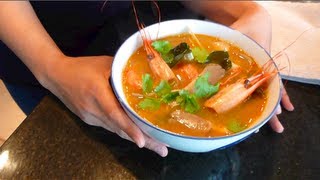 Tom Yum Goong (Hot and Sour Prawn Soup)Thai · 119 kcal · 14 g protein
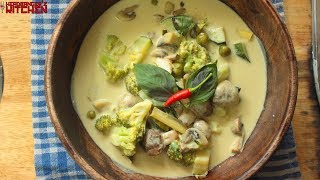 Vegan Thai Green Vegetable Curry (Keto)Thai · 374 kcal · 5.6 g protein
 Vegan Thai Red Curry with Tofu and ShiitakeThai · 360 kcal · 11 g protein
Recipe and video by Pailin's Kitchen; the method summary, nutrition estimate and diet notes are Notbroken’s. General information about food, not dietary advice.