Turkish · side
Bezelyeli Enginar (Turkish Artichokes and Peas in Olive Oil)
Bezelyeli Enginar
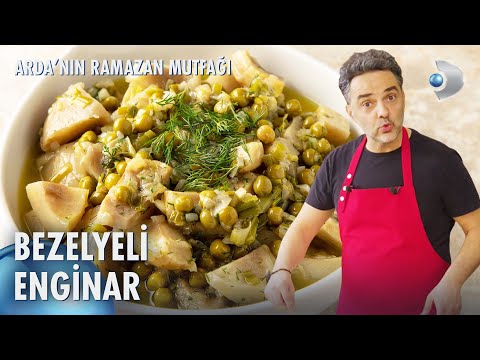
Video by KanalD on YouTube, in Turkish · Open on YouTube
- Vegan
- Gluten-free ingredients
- Nut-free
Contains: none of the common allergens in the listed ingredients. Check labels on stock, sauces and spice mixes.
Under 10 g net carbs and 6 g fibre a serve from artichokes, peas and onion slow-cooked in olive oil: a vegan side that also gives nearly half a day's vitamin K.
The printable card is ink-friendly, fits on one page and has a QR code back to this recipe.
Ingredients 11
Method
The cook speaks Turkish; every step is written here in English. Tap a time to watch that step in the video. For subtitles, tap CC in the video, then Settings › Subtitles › Auto-translate › English.
- Peel the artichokes down to their hearts and keep them in water with a squeeze of lemon (and a pinch of flour, so they cook up pale) until needed. 0:13
- Warm 4–5 tbsp olive oil in a wide shallow pan and sweat the chopped onion gently until soft, without letting it colour. 1:55
- Lift the artichokes out of the water, drain and cut each into quarters (sixths if very large). 2:27
- Add the artichokes to the onion, then the frozen peas, salt, white pepper and grated lemon zest, and stir to coat. 3:25
- Pour in about 200 ml water so the vegetables are barely covered, sprinkle over a pinch of sugar and drizzle with 3–4 tbsp more olive oil. 4:20
- Cover with a circle of baking paper with a small hole in the centre, put the lid on and cook over low heat for 35–40 minutes. 5:11
- Stir in the sliced spring onion and cook 5 minutes more, then add the chopped dill and let it rest. Serve warm or at room temperature. 6:35
Tip. Serves 5 is our estimate (about one artichoke each). Frozen artichoke hearts work out of season. Like all zeytinyağlı dishes it is best at room temperature and keeps 3 days in the fridge.
The method is a summary in our words — the video shows every step.
One serve gives you 1 of 5
Where the energy comes from one serve
- Net carbs 16%
- Protein 6%
- Fat 78%
Low carb: under 26% of the energy is from carbs.
Vitamins & minerals % of a day, one serve · tap for more
Vitamin K High45%
54 µg a serve, mostly from spring onions (46%). Needed for blood clotting and bones. Leafy greens and herbs are very rich in it. If you take warfarin, keep your intake steady and talk to your doctor.
Vitamin E High23%
3.4 mg a serve, mostly from olive oil (92%). An antioxidant that protects cell membranes. Nuts, seeds and plant oils such as olive oil are the main sources.
Folate High23%
91 µg a serve, mostly from globe artichokes (64%). Needed to make DNA and new cells — especially important before and in early pregnancy. Legumes and leafy greens are rich sources.
Vitamin C Source18%
16 mg a serve, mostly from globe artichokes (31%). An antioxidant needed for collagen, immunity and iron absorption. Long cooking destroys some, so raw herbs, citrus and capsicum help.
Omega-3 Source12%
0.2 g a serve, mostly from olive oil (87%). Omega-3 fats support the heart and brain. Oily fish give EPA and DHA; walnuts, flax, chia and canola give ALA, which the body converts only a little.
Magnesium Source11%
44 mg a serve, mostly from globe artichokes (63%). Takes part in hundreds of reactions — energy, muscles, nerves, blood sugar and bones. Nuts, seeds, legumes and whole grains are good sources.
Show the other 9
Vitamin B69%
0.1 mg a serve, mostly from globe artichokes (35%). Helps turn food into energy and make brain messengers. Chickpeas, fish, poultry, potatoes and bananas are good sources.
Potassium8%
350 mg a serve, mostly from globe artichokes (53%). Balances sodium to help control blood pressure and keeps muscles and nerves working. Beans, potatoes, leafy greens and fruit are rich sources.
Iron7%
1.3 mg a serve, mostly from globe artichokes (30%). Carries oxygen in your blood. Iron from plants absorbs better with vitamin C in the same meal — lemon, tomato or capsicum.
Zinc6%
0.7 mg a serve, mostly from frozen peas (41%). Needed for immunity, wound healing, taste and growth. Meat, seafood, legumes, seeds and whole grains supply it.
Calcium3%
44 mg a serve, mostly from globe artichokes (32%). Builds bones and teeth and helps muscles and nerves work. Dairy, calcium-set tofu, sardines with their bones and some greens supply it.
Vitamin A3%
28 µg a serve, mostly from dill (42%). Keeps eyes, skin and the immune system healthy. Orange vegetables and dark greens give beta-carotene, which the body turns into vitamin A.
Selenium1%
0.8 µg a serve, mostly from frozen peas (54%). Part of the body's antioxidant enzymes and needed for thyroid hormones. Seafood, eggs, meat and Brazil nuts are rich sources.
Vitamin D0%
0 µg a serve. Helps you absorb calcium for bones and supports muscles. Few foods have much — oily fish, eggs, UV-exposed mushrooms, fortified milks. Sunlight is the main source.
Vitamin B120%
0 µg a serve. Keeps nerves and blood cells healthy. Found almost only in animal foods and fortified foods (some plant milks, nutritional yeast), so vegans need a reliable source.
Estimated from the ingredient list with USDA FoodData Central values; % of a day uses the food-label daily values. How this works
You might also like
 Cacık (Turkish Cucumber Yoghurt)Turkish · 116 kcal · 7.8 g protein
 Turkish Red Lentil SoupTurkish · 263 kcal · 9.9 g protein
 İmam Bayıldı (Stuffed Aubergines)Turkish · 254 kcal · 4.9 g protein
 Antalya Piyazı (Turkish White Bean Salad with Tahini)Turkish · 482 kcal · 19 g protein
 Foamy Turkish Ayran (Salted Yoghurt Drink)Turkish · 38 kcal · 2.3 g protein
 Mercimek Köftesi (Turkish Red Lentil and Bulgur Köfte)Turkish · 537 kcal · 16 g protein
Recipe and video by KanalD; the method summary, nutrition estimate and diet notes are Notbroken’s. General information about food, not dietary advice.