Move · Videos · Technique · 5 min
Learn an Easy Irish Jig Step: Sidestep, Sink and Rise and Grind
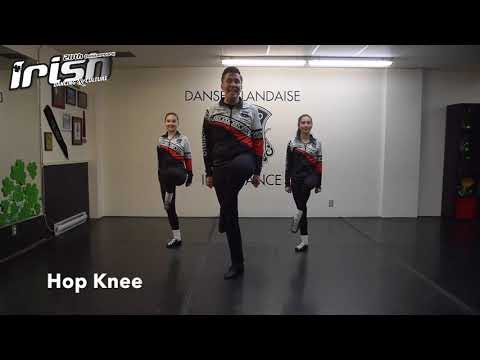
Video by Irish Dancing Magazine on YouTube · Open on YouTube
Casey Costello, a certified Irish dance teacher (TCRG) at Costello Irish Dance School in Montreal, teaches three moves, the sidestep, sink and grind and rise and grind, then joins them into one light jig step danced to music. A quick, fun first Irish dance lesson.
- 5 min
- Beginner
- High impact (jumping)
- No equipment
Good forDancing for funFun workouts
Step by step 5
Tap a time to watch that step in the video.
- Starting position: shoulders back, arms by your sides, heels together, right foot in front. 0:20
- Sidestep: a hop, then the right foot to the side and behind, with quick steps up to seven. 0:46
- Sink and grind: three hops moving the right foot, then four quick, light steps. 1:17
- Rise and grind: three hops taking the feet back, then four quick, light steps. 2:08
- Join the three moves into one jig step, then dance it to music. 2:56
The steps are a summary in our words, checked against the video — the coach shows every move.
Form cues from the coach
- Roll the shoulders back and keep the arms by your sides
- Keep the four quick steps light
- Always start with the right foot in front
What it works
Tap an area for more videos that work it.
Joints it uses 2 takes load
- Knees takes loadthree hops in each grind, hop in the sidestep
- Ankles & feet takes loadhops and quick steps on the balls of the feet
- Hips moveslifting the foot over the knee
- Jumping or hopping. Impact goes through the ankles, knees and hips.
A guide to the joints this video’s moves load, from what the coach does — not medical advice. Some ache is normal; stop if a joint hurts sharply. How joints are rated
More like this
 Swing Triple Steps: Lindy Hop Rhythm FundamentalsSyncopated City · 10 min · beginner
 Learn the Tap Time Step: Single, Double and TripleTaptopia · 12 min · beginner
 Mexican Folklórico: Three Basic Jalisco Footwork StepsBallet Folklorico de Los Angeles · 4 min · beginner
 Boogie Woogie Basic Step for Beginners: Bounce and TriplesSondre & Tanya · 5 min · beginner
 Shuffle Dance for Beginners: Running Man and T-StepEmylee x The Shuffle Vault · 14 min · beginner
 Cowboy Boogie Line Dance: Vines, Hitches and Hip BoogiesHowcast · 4 min · beginner
Video by Irish Dancing Magazine; the summary, steps, cues, body areas and joint notes are Notbroken’s, written from what the coach actually does in the video and checked a second time. Warm up first, take the easier options until a move feels easy, and stop if you feel sharp pain, chest pain or dizziness. General instruction, not advice for your body. About & safety