Sing
Sing your heart out
Pick how you feel and sing along with real musicians: 343 songs, each carefully picked for a feeling. Turn on the live heart and the whole page lights up as you sing. Nothing is recorded, and what you pick in Sing stays on this device. Why sing?
How are you feeling?
Browse
All 343 songs
Official videos on YouTube, with the words on screen. Tap one to sing, or see every song, A–Z. The feelings and notes are Notbroken’s. The music, videos and pictures belong to their owners and play from YouTube.
Let it out Sad, or missing someone · 68 songs
See all Let it out songs Someone You Lovedby Lewis Capaldi3:05
 Someone Like Youby Adele4:45
 Easy On Meby Adele3:46
 Too Good at Goodbyesby Sam Smith4:24
 Say Somethingby A Great Big World & Christina Aguilera3:51
 Let Her Goby Passenger4:21
 The Night We Metby Lord Huron3:29
 Photographby Ed Sheeran4:20
 The Scientistby Coldplay4:25
 Fix Youby Coldplay4:54
 Helloby Adele6:07
 Jealousby Labrinth4:47
 Happierby Ed Sheeran3:36
 Nothing Compares 2 Uby Sinéad O'Connor5:09
 The Winner Takes It Allby ABBA4:58
 Lose You To Love Meby Selena Gomez3:27
 Back To December (Taylor's Version)by Taylor Swift4:58
 Breakevenby The Script4:16
 Stayby Rihanna ft. Mikky Ekko4:08
 Un-Break My Heartby Toni Braxton4:34
 Everybody's Changingby Keane3:32
 Heatherby Conan Gray3:26
 When You're Goneby Avril Lavigne4:00
 Knowing Me, Knowing Youby ABBA3:58
 SOSby ABBA3:19
 I Will Always Love Youby Whitney Houston4:34
 I Have Nothingby Whitney Houston4:51
 Help!by The Beatles2:20
 Now and Thenby The Beatles4:36
 Eleanor Rigbyby The Beatles2:12
 Ticket to Rideby The Beatles3:03
 In My Placeby Coldplay3:47
 When We Were Young (Live at The Church Studios)by Adele5:43
 Chasing Pavementsby Adele3:41
 Piece by Pieceby Kelly Clarkson3:44
 Family Portraitby P!nk3:50
 Demonsby Imagine Dragons3:57
 Birdsby Imagine Dragons3:43
 Fallin'by Alicia Keys3:27
 Aloneby Bee Gees4:20
 Rocket Manby Elton John4:43
 I Guess That's Why They Call It the Bluesby Elton John4:43
 Rainy Days and Mondaysby Carpenters3:32
 Wild World (Live, 1971)by Yusuf / Cat Stevens3:47
 Father and Sonby Yusuf / Cat Stevens3:21
 Ain't No Sunshine (Old Grey Whistle Test, 1972)by Bill Withers2:10
 Goodbyeby Spice Girls4:34
 Viva Foreverby Spice Girls4:14
 Secret Love Songby Little Mix ft. Jason Derulo4:21
 Wish You the Bestby Lewis Capaldi3:38
 Bruisesby Lewis Capaldi3:47
 Hold Me While You Wait (Interlude Session)by Lewis Capaldi3:27
 Dancing on My Ownby Calum Scott3:42
 Lay Me Downby Sam Smith4:10
 I'm Not the Only Oneby Sam Smith4:40
 What Was I Made For?by Billie Eilish4:09
 The Man Who Can't Be Movedby The Script4:00
 My Heart Will Go Onby Céline Dion4:41
 Total Eclipse of the Heart (Lyric Video)by Bonnie Tyler4:28
 The Sound of Silence (Live in Central Park)by Simon & Garfunkel3:59
 Helloby Lionel Richie5:27
 Against All Odds (Take a Look at Me Now)by Mariah Carey ft. Westlife3:19
 Patienceby Take That3:24
 I Want It That Wayby Backstreet Boys3:40
 Without Youby Mariah Carey4:16
 Right Here Waitingby Richard Marx4:23
 This Is the Last Timeby Keane3:41
 Crystal Ballby Keane4:18
Shout it out Angry, or wound up · 47 songs
See all Shout it out songs Since U Been Goneby Kelly Clarkson3:12
 Roarby Katy Perry3:57
 Irreplaceableby Beyoncé4:12
 We Are Never Ever Getting Back Together (Taylor's Version)by Taylor Swift3:15
 I Will Surviveby Gloria Gaynor3:14
 Thunderby Imagine Dragons3:24
 Respectby Aretha Franklin2:31
 Survivorby Destiny's Child4:11
 Shoutby Tears For Fears6:00
 Fighterby Christina Aguilera4:05
 Believerby Imagine Dragons3:37
 Eye of the Tigerby Survivor4:05
 It's My Lifeby Bon Jovi4:27
 Love Is a Battlefieldby Pat Benatar5:18
 Run the World (Girls)by Beyoncé4:51
 Strongerby Britney Spears3:38
 Hit Me With Your Best Shot (Live)by Pat Benatar4:33
 Rumour Has Itby Adele3:44
 It's Not Right But It's Okayby Whitney Houston4:23
 Send My Love (To Your New Lover)by Adele3:45
 Walk Awayby Kelly Clarkson3:10
 What About Usby P!nk5:22
 Radioactiveby Imagine Dragons4:22
 Whatever It Takesby Imagine Dragons3:40
 That Don't Impress Me Muchby Shania Twain3:45
 Clownby Emeli Sandé3:47
 Sk8er Boiby Avril Lavigne3:39
 Complicatedby Avril Lavigne4:14
 Centuriesby Fall Out Boy4:32
 The Final Countdownby Europe4:57
 Numbby Linkin Park3:08
 Stressed Outby twenty one pilots3:46
 Independent Women, Part Iby Destiny's Child3:59
 Bills, Bills, Billsby Destiny's Child4:06
 Everybody Wants to Rule the Worldby Tears for Fears4:51
 Humanby Rag'n'Bone Man3:18
 Best Thing I Never Hadby Beyoncé4:15
 Just a Girlby No Doubt3:27
 Spiderwebsby No Doubt4:04
 Pompeiiby Bastille3:53
 Dream On (Live from Mexico City, 2016)by Aerosmith4:53
 Separate Ways (Worlds Apart)by Journey4:26
 Should I Stay or Should I Goby The Clash3:10
 Burning Heartby Survivor3:50
 Bye Bye Byeby *NSYNC3:59
 NOby Meghan Trainor3:43
 No Excusesby Meghan Trainor2:36
Soothe Too much going on · 48 songs
See all Soothe songs Three Little Birdsby Bob Marley & The Wailers3:12
 What a Wonderful Worldby Louis Armstrong2:19
 Over the Rainbowby Israel Kamakawiwoʻole3:47
 Put Your Records Onby Corinne Bailey Rae3:54
 Don't Worry Be Happyby Bobby McFerrin3:52
 Yellowby Coldplay4:32
 Can't Help Falling in Loveby Elvis Presley2:59
 Somewhere Only We Knowby Keane3:57
 Fields of Goldby Sting3:38
 Budapestby George Ezra3:37
 Bubblyby Colbie Caillat3:13
 Come Away With Meby Norah Jones3:15
 Your Song (Top of the Pops, 1971)by Elton John3:49
 Perfectby Ed Sheeran4:42
 Thinking Out Loudby Ed Sheeran4:50
 Landslideby The Chicks3:48
 Sunday Morningby Maroon 54:25
 (Sittin' On) The Dock of the Bayby Otis Redding2:43
 All of Meby John Legend5:08
 How Long Will I Love Youby Ellie Goulding2:38
 Real Loveby The Beatles3:58
 Loverby Taylor Swift3:59
 Cover Me in Sunshineby P!nk & Willow Sage Hart2:37
 Haloby Beyoncé3:45
 If I Ain't Got Youby Alicia Keys3:30
 Too Much Heavenby Bee Gees5:00
 My Cherie Amour (Live)by Stevie Wonder2:16
 Tiny Dancerby Elton John6:47
 (They Long to Be) Close to You (The Ed Sullivan Show, 1970)by Carpenters1:55
 We've Only Just Begun (The Ed Sullivan Show, 1970)by Carpenters2:57
 How Can I Tell You (Live, 1971)by Yusuf / Cat Stevens4:18
 Is This Love (Live)by Bob Marley & The Wailers3:42
 You're Still the Oneby Shania Twain3:21
 Beneath Your Beautifulby Labrinth ft. Emeli Sandé4:28
 You Are the Reasonby Calum Scott3:25
 Pocketful of Sunshineby Natasha Bedingfield3:01
 The Power of Loveby Céline Dion4:48
 If I Had Eyesby Jack Johnson3:58
 Fly Me to the Moon (Live, 1965)by Frank Sinatra2:36
 Let's Stay Togetherby Al Green4:07
 My Girl (A Capitol Fourth)by The Temptations3:07
 Angelsby Robbie Williams3:56
 Hey There Delilahby Plain White T's4:03
 1, 2, 3, 4by Plain White T's3:26
 Kiss of Lifeby Sade4:12
 Ordinary Peopleby John Legend4:56
 Realizeby Colbie Caillat4:02
 The Little Thingsby Colbie Caillat3:47
Lift Flat, or low on energy · 63 songs
See all Lift songs Here Comes the Sunby The Beatles3:12
 Fight Song (Rachel's Version)by Rachel Platten3:23
 Braveby Sara Bareilles3:41
 Hall of Fameby The Script ft. will.i.am3:22
 I'm Still Standingby Elton John3:02
 Unwrittenby Natasha Bedingfield3:45
 This Is Meby The Greatest Showman Cast3:49
 Don't Stop Believin'by Journey4:12
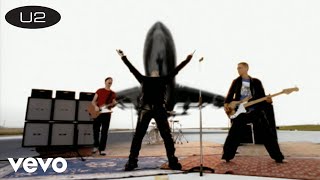 Beautiful Dayby U24:04
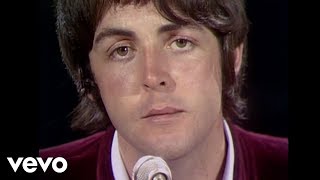 Hey Judeby The Beatles8:10
 Rise Upby Andra Day4:15
 Fireworkby Katy Perry3:54
 The Climbby Miley Cyrus3:49
 Hero (Live)by Mariah Carey4:17
 Beautifulby Christina Aguilera4:00
 On Top of the Worldby Imagine Dragons4:02
 Chiquititaby ABBA5:20
 I Still Have Faith in Youby ABBA5:20
 Greatest Love of Allby Whitney Houston4:52
 One Moment in Timeby Whitney Houston5:27
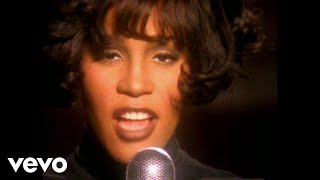 I'm Every Womanby Whitney Houston4:46
 Man in the Mirrorby Michael Jackson5:04
 Viva la Vidaby Coldplay4:03
 Riseby Katy Perry3:18
 Breakawayby Kelly Clarkson3:56
 A Moment Like Thisby Kelly Clarkson3:46
 Tryby P!nk4:10
 Unstoppable (Live)by Sia3:47
 Aliveby Sia5:01
 It's Timeby Imagine Dragons4:07
 The Nightsby Avicii3:11
 Wake Me Upby Avicii4:33
 Counting Starsby OneRepublic4:44
 Girl on Fireby Alicia Keys3:53
 Underdogby Alicia Keys3:29
 Faithby Stevie Wonder ft. Ariana Grande2:44
 Only Yesterdayby Carpenters3:47
 Alive and Kickingby Simple Minds5:27
 The Bestby Tina Turner4:10
 Drag Me Downby One Direction3:12
 Feeling Goodby Michael Bublé4:03
 Drops of Jupiter (Tell Me)by Train4:17
 Look for the Goodby Jason Mraz5:07
 Surviveby Lewis Capaldi3:58
 Shallowby Lady Gaga & Bradley Cooper3:37
 Skyscraperby Demi Lovato4:06
 Superheroesby The Script4:34
 A Million Dreamsby The Greatest Showman Cast4:30
 Defying Gravity (Lyric Video)by Idina Menzel & Kristin Chenoweth5:52
 Try Everythingby Shakira3:23
 You Raise Me Upby Westlife4:01
 Immortalsby Fall Out Boy3:10
 Greatest Dayby Take That3:57
 Higher Ground (Song Around the World)by Playing For Change4:54
 I Still Haven't Found What I'm Looking For (Song Around the World)by Playing For Change5:36
 I Knew You Were Waiting (For Me)by George Michael & Aretha Franklin4:13
 Make It Happenby Mariah Carey5:47
 When You Believeby Whitney Houston & Mariah Carey4:59
 Runby Snow Patrol4:20
 Get On Your Feetby Gloria Estefan3:38
 Flowersby Miley Cyrus3:22
 Who Saysby Selena Gomez & The Scene3:21
 Flyby Hilary Duff3:59
Belong Alone, or left out · 51 songs
See all Belong songs Count on Meby Bruno Mars3:13
 You've Got a Friendby James Taylor & Carole King5:04
 True Colorsby Cyndi Lauper3:41
 Homeby Phillip Phillips3:34
 Bridge Over Troubled Waterby Simon & Garfunkel4:40
 Stand By You (Rachel's Version)by Rachel Platten3:38
 That's What Friends Are Forby Dionne Warwick & Friends4:31
 Reach Out I'll Be Thereby Four Tops3:24
 Lean On Me (Live in Chicago, 1972)by Bill Withers4:05
 Stand By Me (Song Around the World)by Playing For Change5:28
 I Got Youby Jack Johnson3:01
 Ho Heyby The Lumineers2:42
 Chasing Carsby Snow Patrol3:42
 One Love / People Get Readyby Bob Marley & The Wailers2:51
 Livin' On A Prayerby Bon Jovi4:09
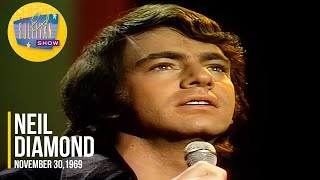 Sweet Caroline (The Ed Sullivan Show, 1969)by Neil Diamond3:04
 Umbrellaby Rihanna ft. JAY-Z4:15
 You've Got the Loveby Florence + The Machine2:43
 We Are the Champions (Live)by Queen3:30
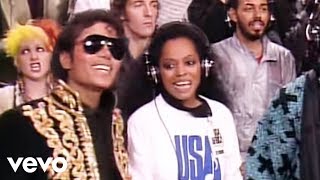 We Are the Worldby USA for Africa7:11
 We Can Work It Outby The Beatles2:18
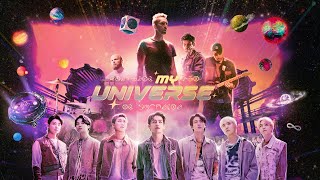 My Universeby Coldplay X BTS4:43
 Hometown Gloryby Adele3:36
 I Bet My Lifeby Imagine Dragons3:34
 Hey Brotherby Avicii4:24
 Rescue Meby OneRepublic3:29
 XOby Beyoncé3:36
 No Oneby Alicia Keys4:09
 Take Me Home, Country Roads (Live)by The Petersens3:03
 Peace Train (Live, 1976)by Yusuf / Cat Stevens4:07
 Africaby Toto4:32
 Don't You (Forget About Me)by Simple Minds4:23
 Together Foreverby Rick Astley3:24
 Leave a Light Onby Belinda Carlisle4:17
 Say You'll Be Thereby Spice Girls3:53
 Mamaby Spice Girls3:34
 You & Iby One Direction4:05
 Next to Meby Emeli Sandé3:31
 Because You Loved Meby Céline Dion4:37
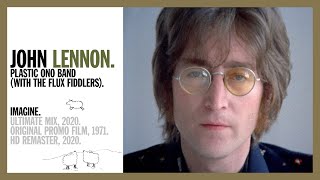 Imagineby John Lennon & The Plastic Ono Band3:54
 (Everything I Do) I Do It for You (Live at the Royal Albert Hall)by Bryan Adams6:20
 Rule the Worldby Take That4:18
 As Long as You Love Meby Backstreet Boys3:38
 Wonderwallby Oasis4:40
 Don't Look Back in Angerby Oasis4:48
 One Day (Koolulam, Haifa)by Koolulam4:50
 What's Going On (Song Around the World)by Playing For Change ft. Sara Bareilles3:40
 With My Own Two Hands (Song Around the World)by Playing For Change4:07
 Waiting on the World to Change (Song Around the World)by Playing For Change3:45
 By Your Sideby Sade4:26
 Time After Timeby Cyndi Lauper4:57
Joy Good, and want more · 66 songs
See all Joy songs Dancing Queenby ABBA3:54
 Walking on Sunshineby Katrina & The Waves3:48
 Shake It Off (Taylor's Version)by Taylor Swift3:45
 Can't Stop the Feeling!by Justin Timberlake4:46
 I Wanna Dance with Somebodyby Whitney Houston5:14
 Septemberby Earth, Wind & Fire3:35
 Mr. Blue Skyby Electric Light Orchestra4:55
 Mamma Miaby ABBA3:36
 Wake Me Up Before You Go-Goby Wham!3:53
 Girls Just Want to Have Funby Cyndi Lauper4:27
 Footlooseby Kenny Loggins2:56
 Dynamiteby BTS3:44
 Best Day of My Lifeby American Authors3:33
 Thank You for the Musicby ABBA3:54
 Upside Downby Jack Johnson3:08
 Take On Meby a-ha4:04
 Wannabeby Spice Girls3:56
 Waterlooby ABBA2:48
 Celebrationby Kool & The Gang4:18
 I'm a Believerby Smash Mouth3:05
 Take a Chance on Meby ABBA3:59
 Super Trouperby ABBA4:11
 How Will I Knowby Whitney Houston4:33
 Blame It on the Boogieby The Jacksons3:33
 I Want You Back (The Ed Sullivan Show, 1969)by The Jackson 53:01
 Hello, Goodbyeby The Beatles3:29
 I Feel Fineby The Beatles2:21
 Yellow Submarineby The Beatles2:46
 Adventure of a Lifetimeby Coldplay5:16
 Shiversby Ed Sheeran3:58
 ME!by Taylor Swift ft. Brendon Urie4:09
 You Belong With Meby Taylor Swift3:49
 Love Story (Taylor's Version) (Lyric Video)by Taylor Swift4:01
 Waiting for Loveby Avicii3:51
 I Ain't Worriedby OneRepublic2:35
 Good Lifeby OneRepublic4:09
 Love On Topby Beyoncé3:17
 Stayin' Aliveby Bee Gees4:10
 Night Feverby Bee Gees3:29
 Dreamsby The Cranberries4:14
 Never Gonna Give You Upby Rick Astley3:34
 You Make My Dreamsby Daryl Hall & John Oates3:04
 Heaven Is a Place on Earthby Belinda Carlisle4:05
 Can't Get You Out of My Headby Kylie Minogue3:51
 Spinning Aroundby Kylie Minogue3:32
 Stopby Spice Girls3:34
 Any Man of Mineby Shania Twain4:13
 Man! I Feel Like a Woman!by Shania Twain3:55
 I Really Like Youby Carly Rae Jepsen3:29
 What Makes You Beautifulby One Direction3:27
 Black Magicby Little Mix3:46
 Haven't Met You Yet (Live)by Michael Bublé2:56
 Hey, Soul Sisterby Train3:38
 I Feel Like Dancingby Jason Mraz4:11
 Adore Youby Harry Styles3:39
 Waka Waka (This Time for Africa)by Shakira3:31
 Boogie Wonderlandby Earth, Wind & Fire4:53
 Let's Grooveby Earth, Wind & Fire3:56
 Firefliesby Owl City3:53
 All Night Long (All Night)by Lionel Richie3:49
 Dancing on the Ceilingby Lionel Richie5:16
 Shineby Take That3:34
 Don't Go Breaking My Heartby Elton John & Kiki Dee4:16
 Always Be My Babyby Mariah Carey4:18
 The Shoop Shoop Song (It's in His Kiss)by Cher2:49
 Party in the U.S.A.by Miley Cyrus3:28
Why sing?
How singing may help how you feel
People have sung through hard times and good ones for as long as there have been songs. Researchers have started to measure what happens when we do. Here is what some studies found, in plain words, with a link to each one.
It can lift your mood
In a study of 31 amateur choir members, an hour of singing lifted their mood more than listening to a recording of the same music did. In another, 193 choir members affected by cancer felt more positive and less negative after an hour of singing, and a stress hormone, cortisol, went down; that study had no comparison group.
Sources: Kreutz et al., Journal of Behavioral Medicine 2004Fancourt et al., ecancermedicalscience 2016
Singing on your own counts
In a small study of 38 choir singers, people felt happier and less worried and sad after 20 minutes of singing on their own, as well as after 20 minutes with their choir, where the effects were bigger.
Sources: Schladt et al., Frontiers in Human Neuroscience 2017
Making music, not just hearing it
In a set of experiments with singing, drumming and dancing groups, people could bear more pain afterwards (which the authors take as a sign of endorphins), while just listening to music did not do this. Making music also lifted people’s positive mood.
It can bring people closer
Adult-education classes were followed for seven months: people in singing classes felt close to their group sooner than people in craft or creative-writing classes, who caught up after a few months. A review of 61 studies found reliable evidence that music and singing support adults’ wellbeing, mostly from listening and regular group singing.
Sources: Pearce, Launay & Dunbar, Royal Society Open Science 2015Daykin et al., Perspectives in Public Health 2018
It steadies your breathing
Singing sets the pace of your breath. In a study of 15 young singers, singing slow, long phrases led to slow, regular breathing, and their heart rates rose and fell with it; singing the same song together brought their heart rhythms into step.
Naming a feeling may soften it
Research on “affect labelling” finds that putting a feeling into words, even by picking a word from a list, can take some of its intensity away.
Start where you are, then lift
In an experiment with 107 adults, people who felt sad and heard a sad piece followed by a happy one ended up in a better mood than people who heard two sad pieces. Meeting a feeling first and then moving on is sometimes called the iso principle. That study was about listening, not singing.
Sources: Starcke et al., International Journal of Environmental Research and Public Health 2021
Sad songs aren’t for every moment
In a study of 335 people, listening to sad music they had chosen raised their depression scores, and the authors linked sad-music listening to going over and over things in some listeners. Another study found that choosing music for its beauty, rather than to bring back memories, went with feeling better.
Sources: Garrido & Schubert, Psychology of Music 2015Van den Tol & Edwards, Psychology of Music 2015
You don’t need a trained voice
When 62 everyday singers were recorded, most sang in tune and in time, and singing more slowly made them more accurate still; only a few had real trouble with pitch.
Sources: Dalla Bella et al., Journal of the Acoustical Society of America 2007
Questions
Does Sing record my voice?
No. Sing never records or uploads anything. The optional live heart uses the microphone only while you have it on: it analyses the sound on your device, in the moment, and keeps nothing. Your notes, badges, singing days and check-ins stay in this browser on this device.
How does the live heart work?
Turn it on and it listens through your microphone (your browser asks first). It pulses along in time with the rhythm it hears and glows brighter as your voice gets clearer, steadier and closer to a note; when you really nail a stretch, it does something special. It doesn’t know the song, so it can’t tell whether you’re singing the right notes or words, and it never shows a score. With the song playing through speakers the microphone can pick up the music too, so headphones help it hear just you. Where a browser blocks the microphone (iPhone’s Lockdown Mode does this for websites), you can tap along to the beat instead, and the heart follows your taps. To let it hear you with Lockdown Mode on, turn Lockdown Mode off for Notbroken only: in Safari, tap the Page Menu button, then Website Settings.
Does the page change colour as I sing?
Yes, if you turn on the live heart. As your singing gets clearer and steadier, the heart grows and glows and the page around it warms from rose to gold; really nail a stretch and hearts burst across the page. It never shows a score, never dims to tell you off, and never covers the video. Turn the heart off and the page goes back to normal.
What songs are in Sing?
343 songs from official artist, label or licensed channels on YouTube, chosen for six feelings. Some examples: for Let it out, Someone Like You (Adele) and Fix You (Coldplay); for Shout it out, I Will Survive (Gloria Gaynor) and Eye of the Tiger (Survivor); for Soothe, Three Little Birds (Bob Marley) and Come Away With Me (Norah Jones); for Lift, Here Comes the Sun (The Beatles) and Rise Up (Andra Day); for Belong, Lean On Me (Bill Withers) and Count on Me (Bruno Mars); for Joy, Dancing Queen (ABBA) and Girls Just Want to Have Fun (Cyndi Lauper). Search by song or artist, or filter by feeling or by pace.
Where do the words come from?
From the song’s official video on YouTube: either an official lyric video with the words on screen, or the official upload (from the artist’s, the label’s or a licensed channel) with its captions switched on. Notbroken never stores or shows lyrics itself.
How were the songs chosen?
Every song is carefully picked for one feeling: well-loved, singable songs from official artist, label or licensed channels, with the words on screen or captions on YouTube, and no swearing, drink or drug references, knife or gun imagery, sexual references, or songs about suicide or self-harm. Each video is checked against YouTube regularly and removed if it can no longer be played here.
Why does Sing suggest a lighter song after a sad one?
Because in some studies sad music left some listeners feeling lower, and in one listening experiment a sad piece followed by a happy one left sad people in a better mood than two sad pieces. You can always choose another sad song if you want to.
Is Sing a treatment?
No. Sing is a wellbeing activity for enjoyment and self-expression. It isn’t treatment or therapy, and it hasn’t been studied itself. What studies have found about singing and feelings is summarised on this page, with its limits. If you are struggling, the helplines directory lists people you can talk to.
Can I share a song?
Yes. Every song has its own page, with the official video, the words on screen and Notbroken’s notes, for example notbroken.io/sing/someone-you-loved-lewis-capaldi/. Tap Share on a song to send its link; it opens straight on that song. There is also a list of every song, A–Z. Song pages are never measured by analytics, and sharing sends nothing to analytics.
Can I sing in full screen?
Yes, and it’s how a song starts: tap play on a song (or Full screen with the heart) and the video and the live heart fill the screen together, side by side when the screen is wide and the heart under the video when it is tall, with the page’s glow behind them and nothing over the video. If the heart isn’t on yet, its switch is right there beside the video. Leave with Exit full screen, Esc or Back; the song keeps playing, with YouTube’s own controls.
What happens when a song ends?
If the live heart was on and heard you sing a good part of the song, it celebrates your singing: it smiles, bounces and glows gold, and hearts burst across the page (never over the video). It celebrates singing, not watching, so with the heart off nothing happens, and nothing is awarded at the end. Then the song goes back to its picture, so play starts it again from the top.
Is it free?
Yes. Every song and every feature is free, with no account.
Honest note. Sing is a wellbeing activity, for enjoyment and self-expression. Some songs are picked to bring feelings up: stop whenever you like, and if things feel like too much, Breathe, Calm and the helplines directory are one tap away. The songs play in YouTube’s privacy-enhanced player, from official artist, label or licensed channels; all rights in the music and videos stay with their owners, and all credit goes to them. More: About & safety.