Move · Videos · Technique · 8 min
Viennese Waltz for Beginners: Natural Turns and Side Steps
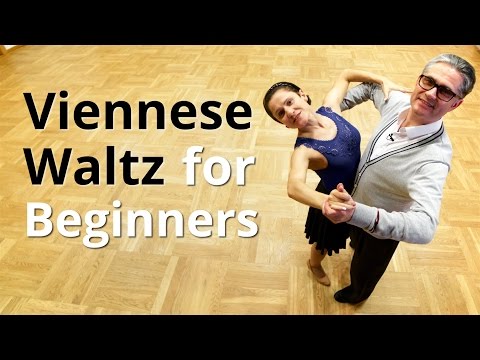
Video by Egils Smagris on YouTube · Open on YouTube
Egils Smagris, a former Latvian ballroom champion who has taught for over 25 years, shows the easiest way into the Viennese waltz: natural turns mixed with side steps so you don't get dizzy, then reverse turns and a short practice routine.
- 8 min
- Beginner
- Low impact (no jumping)
- No equipment
- Ballroom
Good forDancing for fun
Step by step 6
Tap a time to watch that step in the video.
- Natural box: man forward on the right foot, lady back on the left, turning right on 1, 2, 3. 1:08
- Add side steps without turn so you don't get dizzy. 1:46
- Combine four natural turns with four side steps. 2:18
- Dance it around the room, letting the side steps travel slightly along the line of dance. 2:54
- Reverse box: man starts on the left foot turning left; the third forward step crosses. 4:31
- Practice routine: four natural turns, a closed change, four reverse turns, a closed change. 5:42
The steps are a summary in our words, checked against the video — the coach shows every move.
Form cues from the coach
- Man starts forward on the right foot, lady back on the left, counting 1, 2, 3
- Add side steps without turn between natural turns to avoid getting dizzy
- In the reverse turn the third step crosses on the forward half
What it works
Tap an area for more videos that work it.
Joints it uses light on the joints
- Hips movesturning box steps, side steps
- Knees movescontinuous natural and reverse turns
- Ankles & feet movesforward, side, close steps, crosses
A guide to the joints this video’s moves load, from what the coach does — not medical advice. Some ache is normal; stop if a joint hurts sharply. How joints are rated
More like this
 Learn the Electric Slide Line Dance, Step by StepLine Dance with Coral · 8 min · beginner
 Learn the Copperhead Road Line DanceDirt Road Dancing · 4 min · beginner
 Lindy Hop Basics: 6-Count Rhythm and Partner HoldLaura Glaess · 12 min · beginner
 Merengue Basics: Knee Bend, Travel and Partner HoldKennedy Center Education Digital Learning · 5 min · beginner
 Five Easy Bollywood Wedding Dance StepsChoreo N Concept · 8 min · beginner
 Beginner Bhangra Footwork: Bedi, Dhamaal and PunjabBFunk · 14 min · beginner
Video by Egils Smagris; the summary, steps, cues, body areas and joint notes are Notbroken’s, written from what the coach actually does in the video and checked a second time. Warm up first, take the easier options until a move feels easy, and stop if you feel sharp pain, chest pain or dizziness. General instruction, not advice for your body. About & safety