Move · Videos · Technique · 6 min
Shin Muscle (Tibialis) Strength and Care
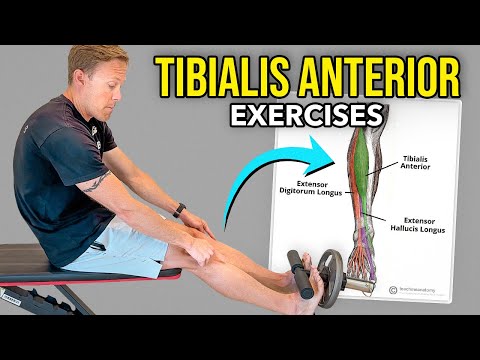
Video by Rehab Science on YouTube · Open on YouTube
A physical therapist shows four moves for the muscle on the front of the shin: foam-roller self-massage, a kneeling stretch, and toe-up raises with a tib bar or an anchored band. Aimed at sore shins such as shin splints.
- 6 min
- Beginner
- Low impact (no jumping)
- foam roller, resistance band
Step by step 4
Tap a time to watch that step in the video.
- Self-massage: roll the muscle beside the shin bone, not the bone, on a foam roller for one to two minutes. 1:18
- Kneeling stretch: kneel on the shin and sit back, lifting the knee; hold 15–30 seconds, two to four times. 2:18
- Tib bar raises: both feet hooked under the pad, lift the toes up and lower slowly; three sets of 10–15. 3:13
- Single-leg band raises: band anchored round your foot; pull the toes up, then lower without letting it snap back. 4:31
The steps are a summary in our words, checked against the video — the coach shows every move.
Form cues from the coach
- Roll on the muscle beside the shin bone, not on the bone
- Pull the toes up, then lower them slowly
- Don't let the band snap your foot back down
What it works
Tap an area for more videos that work it.
Joints it uses 1 take load
- Ankles & feet takes loadtoe-up raises with tib bar or band, shin stretch
- Knees moveskneeling on the foam roller and shin stretch
- Kneeling. Pressure on the kneecaps — a folded towel or cushion under the knees helps.
- Down on the floor. You get down to the floor and back up again.
Easier option from the coach: Two-leg tib-bar raise lets the good leg help the sore one
A guide to the joints this video’s moves load, from what the coach does — not medical advice. Some ache is normal; stop if a joint hurts sharply. How joints are rated
More like this
 Four Ankle Strengthening Moves With a BandJacksonville Orthopaedic Institute · 2 min · beginner
 Calf Raises: Straight-Knee and Bent-Knee VersionsPAIN SLAYERS GRACEVILLE PHYSIO · 2 min · beginner
 Top 10 Balance Exercises for Over-50s, RankedBob & Brad · 9 min · beginner
 Swing Triple Steps: Lindy Hop Rhythm FundamentalsSyncopated City · 10 min · beginner
 K-Pop Dance Basics: Heel Twists and Footwork ShufflesLEIA · 9 min · beginner
 Tap Dance Basics: Ball Heel, Shuffle, Flap and Ball ChangeThe Dance Prof · 10 min · beginner
Video by Rehab Science; the summary, steps, cues, body areas and joint notes are Notbroken’s, written from what the coach actually does in the video and checked a second time. Warm up first, take the easier options until a move feels easy, and stop if you feel sharp pain, chest pain or dizziness. General instruction, not advice for your body. About & safety