Move · Videos · Technique · 6 min
How to Engage Your Deep Core in 3 Steps

Video by Michelle Kenway on YouTube · Open on YouTube
A physiotherapist teaches seated posture, rib-cage breathing and a gentle lower-tummy draw-in to switch on the deep core muscles. A calm starting point for anyone new to core work.
- 6 min
- Beginner
- Low impact (no jumping)
- chair
Step by step 5
Tap a time to watch that step in the video.
- Step 1, posture: sit tall, lengthen your spine and keep a small inward curve in your low back. 0:44
- Step 2, breathing: hands on your lower ribs, breathe wide into the ribcage rather than the upper chest. 1:28
- Step 3: fingers just inside your hip bones, gently draw the lower tummy in and hold for a couple of breaths. 2:32
- Now without your hands: sit tall, breathe into the ribs and hold a subtle draw-in as you keep breathing. 3:42
- Sit forward away from the chair back; build to four or five breaths, then practise standing and walking. 4:35
The steps are a summary in our words, checked against the video — the coach shows every move.
Form cues from the coach
- Sit tall away from the chair back with a small natural curve in your low back
- Breathe wide into your lower ribs rather than your upper chest
- Gently draw in the lower tummy just inside the hip bones and keep breathing as you hold
What it works
Tap an area for more videos that work it.
Joints it uses light on the joints
- Upper back moveslengthening the spine, wide rib-cage breathing
- Lower back movessitting tall, gentle lower-tummy draw-in
A guide to the joints this video’s moves load, from what the coach does — not medical advice. Some ache is normal; stop if a joint hurts sharply. How joints are rated
More like this
 How to Plank: Form Cues and ProgressionsE3 Rehab · 4 min · beginner
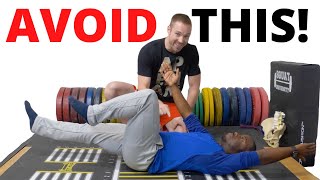 Dead Bug: Brace With a Neutral SpineSquat University · 9 min · beginner
 Bird Dog for a Stronger Low BackPhysical Therapy & Hand Clinic of Hillsboro · 5 min · beginner
 Pallof Press With a Band: Five WaysIvana Chapman · 7 min · beginner
 McGill Big 3 Core Exercises: Bird Dog, Side Plank, Curl-UpEdmonton West Primary Care Network · 6 min · beginner
 Deep Core Strengthening for Beginners: Level 1 (NHS Physios)ouhnhs · 7 min · beginner
Video by Michelle Kenway; the summary, steps, cues, body areas and joint notes are Notbroken’s, written from what the coach actually does in the video and checked a second time. Warm up first, take the easier options until a move feels easy, and stop if you feel sharp pain, chest pain or dizziness. General instruction, not advice for your body. About & safety